Species:
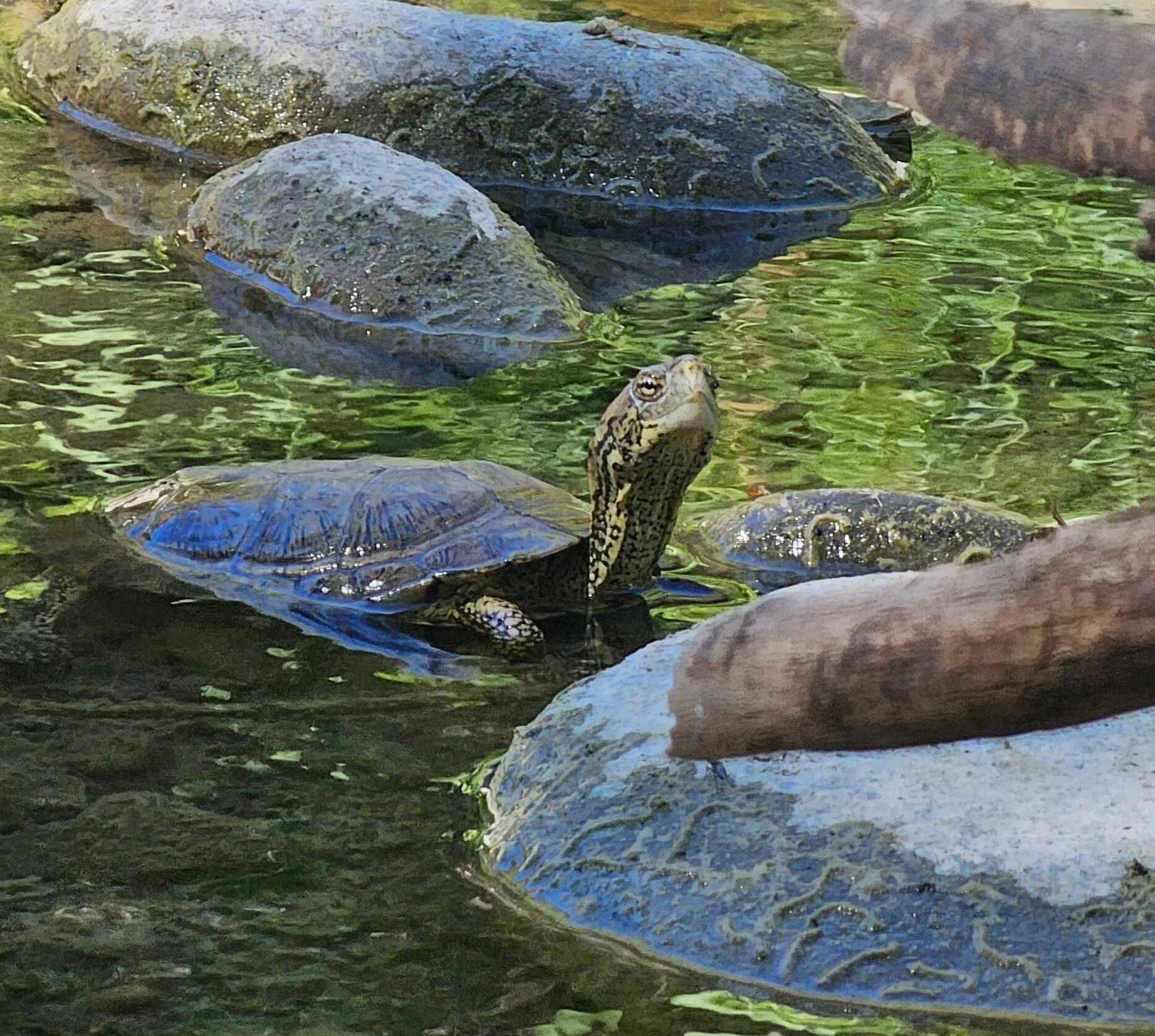
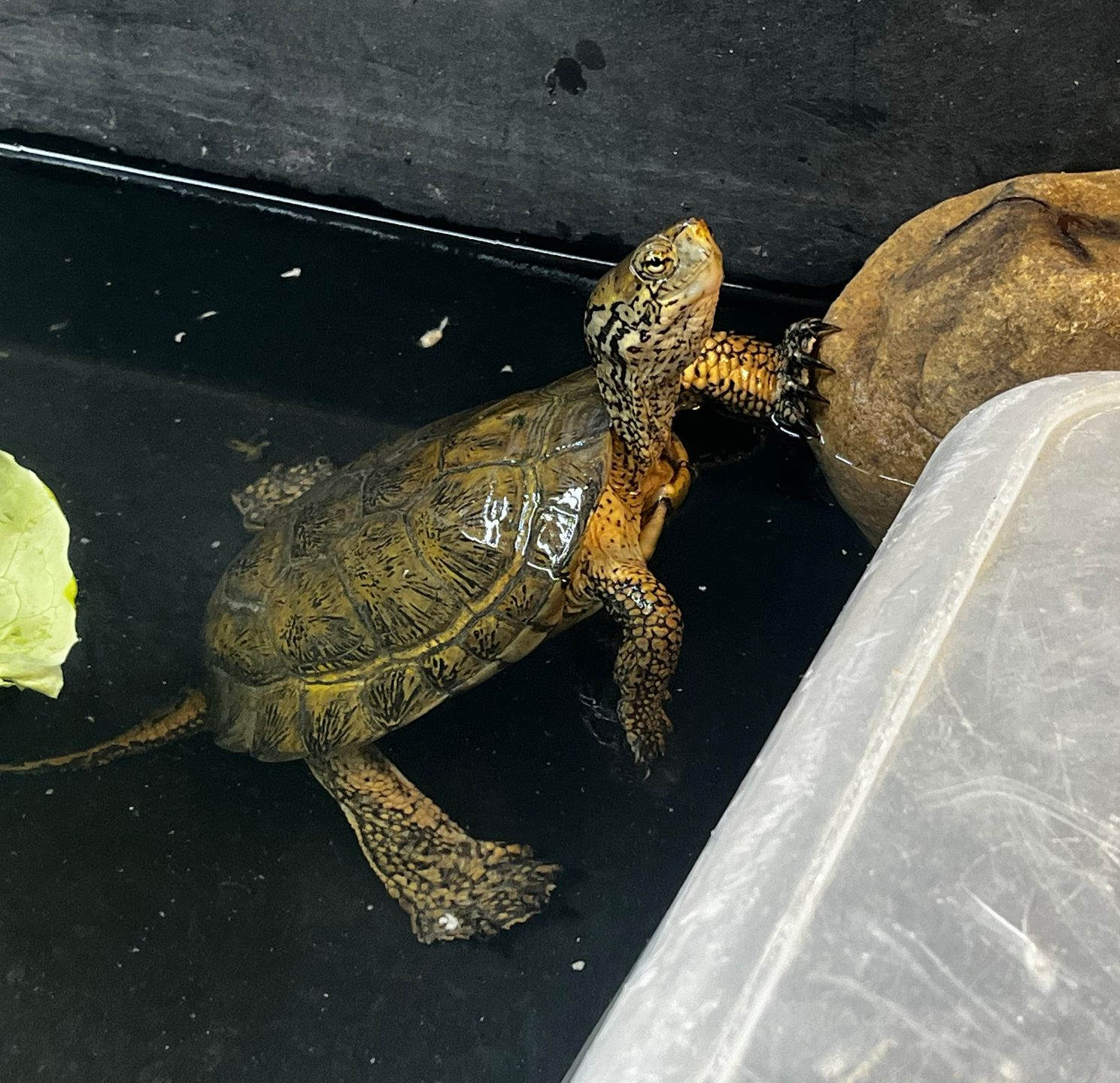
Western Pond Turtle
Time in Care:
156 Days
Status:
Released
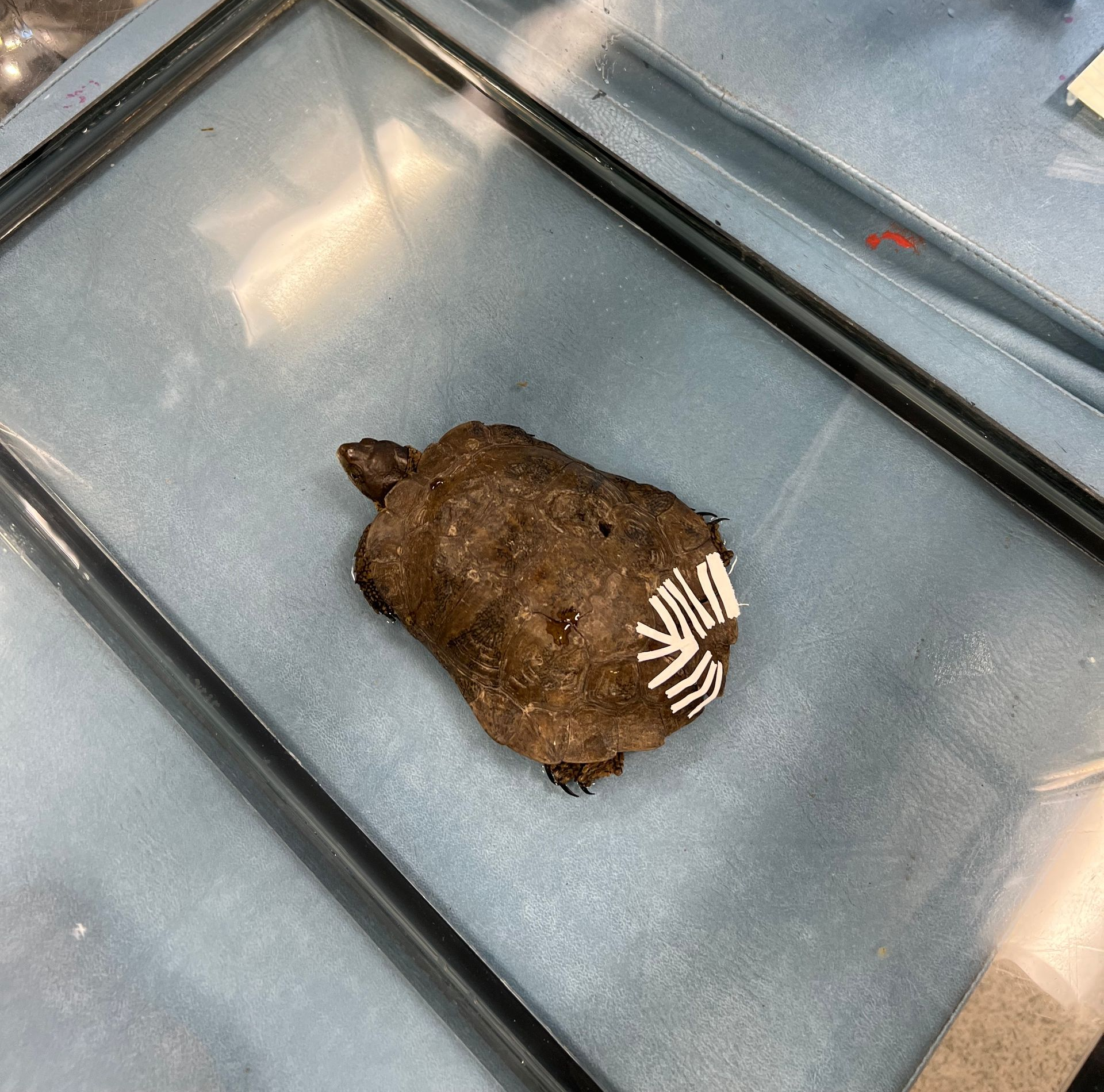
What to say about patient 716… perhaps our longest term patient in care this year WEPOT 716 is a western pond turtle who was found in an unusual location and with a shell fracture. He was admitted to SBWCN and immediately X-rayed to check for other unseen issues his shell fracture might have caused. Luckily his spine and pelvis remained intact so the break was taped over to stabilize and heal and he was given preventative mediation to control pain and mitigate complications.
716’s bathtub sized enclosure was a common sight at SBWCN for the summer. Though he was ready to be released by mid summer, his carapace healed over cleanly, finding a spot to release 716 proved tricky. Because one of the reasons for his admission was being found out of place, it wasn't advisable to release him close to where he was picked up. Additionally, Western pond turtles are in an interesting spot amongst protected species which means he couldn't be released simply anywhere. Our animal rehab team worked closely with biologists across Santa Barbara County to identify and scout locations for 716 and he was finally released in early September.
Western Pond Turtle Facts:
- The status of the western pond turtle varies from state to state but all agree the species is in decline. It is listed as a species of special concern in California, endangered in Washington, and vulnerable in Oregon.
- Recently, the Western pond turtle was reclassified as two distinct species, the Northwestern Pond Turtle and the Southwestern Pond Turtle.
- The biggest threat to the Western pond turtle is its habitat fragmentation and encroaching development into its range.
- Some conservation efforts will incubate eggs to produce favorable breeding ratios, since the sex of a turtle can be influenced by the temperature of the egg in incubation.